Google AI Extends In-Search Booking: What This Means for Travel & Local SEO
Google is accelerating its shift toward handling complete user journeys directly within Search, using new AI features that blur the lines between searching, planning, and transacting. These updates—Canvas for trip planning, global expansion of Flight Deals, and Agentic Booking—signal a critical change for travel publishers, local businesses, and anyone reliant on organic traffic for reservations.
The AI Search Update Summary
Google has rolled out three major AI-powered extensions within Search’s AI Mode:
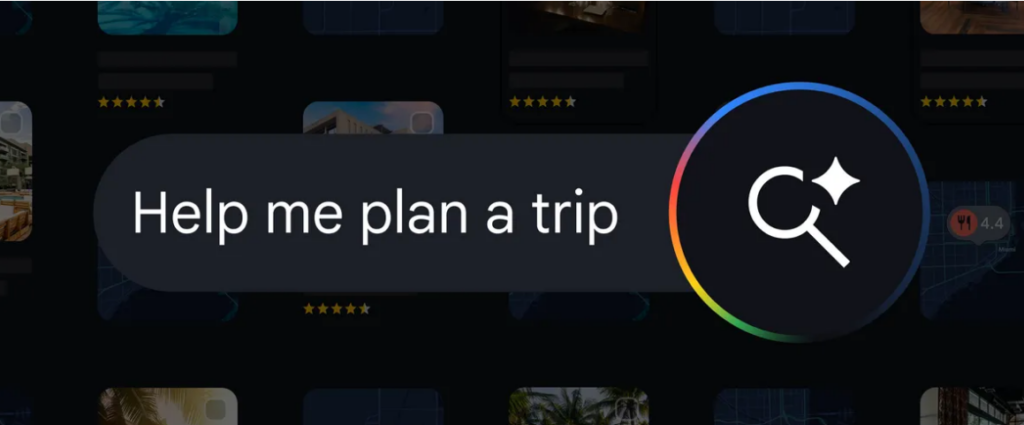
- Canvas Travel Planning: This desktop feature allows users to build customized trip itineraries directly within the AI Mode side panel, combining real-time data on flights, hotels, and activities with web content.
- Flight Deals Global Expansion: This AI-powered tool, which matches flexible travelers with affordable destinations, is expanding its reach to over 200 countries and territories.
- Agentic Booking Expansion: The AI system can now search across multiple reservation platforms to find real-time availability for local services.
- Restaurants: Launched US-wide (no Labs access required).
- Events and Local Appointments: Available to Labs users.
The core function of these updates is to complete multi-step processes—from initial research to final transaction—all within the Google interface, minimizing the need to click out to external sites.
Why This Matters: The SEO Implications
This move is a continuation of Google’s long-standing pattern of verticalizing high-value query types. For SEOs and businesses, this presents two major challenges:
1. The Traffic Funnel Shrinks
Previously, users would research on publisher sites, compare options on several platforms, and finally book. Now, the AI handles the research and comparison phase, presenting only curated options and direct booking links to partners.
- Impact on Publishers: Websites focused purely on informational content (research, destination guides) may see a significant reduction in top-of-funnel organic traffic as AI answers these queries directly.
- Impact on Local Businesses: Local service providers, event organizers, and restaurants must ensure their availability data is correctly structured and accessible to Google’s AI models to participate in Agentic Booking flows.
2. The Attribution Challenge
A major concern for businesses is the lack of visibility into these new AI flows.
- Measuring ROI: If bookings and reservations are initiated directly within AI Mode, tracking and measuring the true Return on Investment (ROI) for organic performance becomes difficult without specific analytics or attribution tools from Google.
Strategic Takeaway for Clients
For clients partnered with SEO Transformer, the key focus must shift from simply ranking high to ranking with authority and optimizing for conversion when traffic does arrive:
- Deepen E-E-A-T Focus: Since the AI relies on authoritative data, reinforce Experience, Expertise, Authoritativeness, and Trustworthiness to be the authoritative source the AI references.
- Optimize for Structured Data: Ensure all booking and reservation details, event schemas, and pricing data are meticulously marked up so the AI can integrate the information into its booking flows.
- Prioritize Conversion & UX: Assume every click from Google is high-intent. Maximize the conversion rate of the traffic you do receive through a flawless user experience (UX) and clear Calls-to-Action (CTAs).
- Monitor Analytics: Watch closely for any new attribution or analytics tools released by Google that provide visibility into bookings initiated through AI Mode.
The landscape is changing rapidly. Remaining technically optimized and strategically focused on specialized authority is the key to thriving in the era of Agentic Search.